
Introduction
Car insurance is a necessary expense for drivers across the United States, but that doesn’t mean you should pay more than necessary. With rising vehicle repair costs, increasing medical expenses, and growing traffic congestion, insurance premiums have increased in many areas over the past few years. As a result, many drivers are looking for practical ways to lower their insurance costs without sacrificing important coverage.
The good news is that insurance companies consider many factors when determining premiums, and several of those factors are within your control. Safe driving habits, smart policy choices, vehicle selection, and strategic use of available discounts can all help reduce what you pay each year. While there is no single solution that works for everyone, understanding how insurers calculate risk can help you identify opportunities for savings. This guide explains effective and realistic ways drivers can reduce their car insurance costs while maintaining the protection they need.
Why Car Insurance Rates Vary
Many drivers are surprised to learn how differently insurers calculate premiums.
Insurance Is Based on Risk
Insurance companies assess the likelihood of future claims when setting rates.
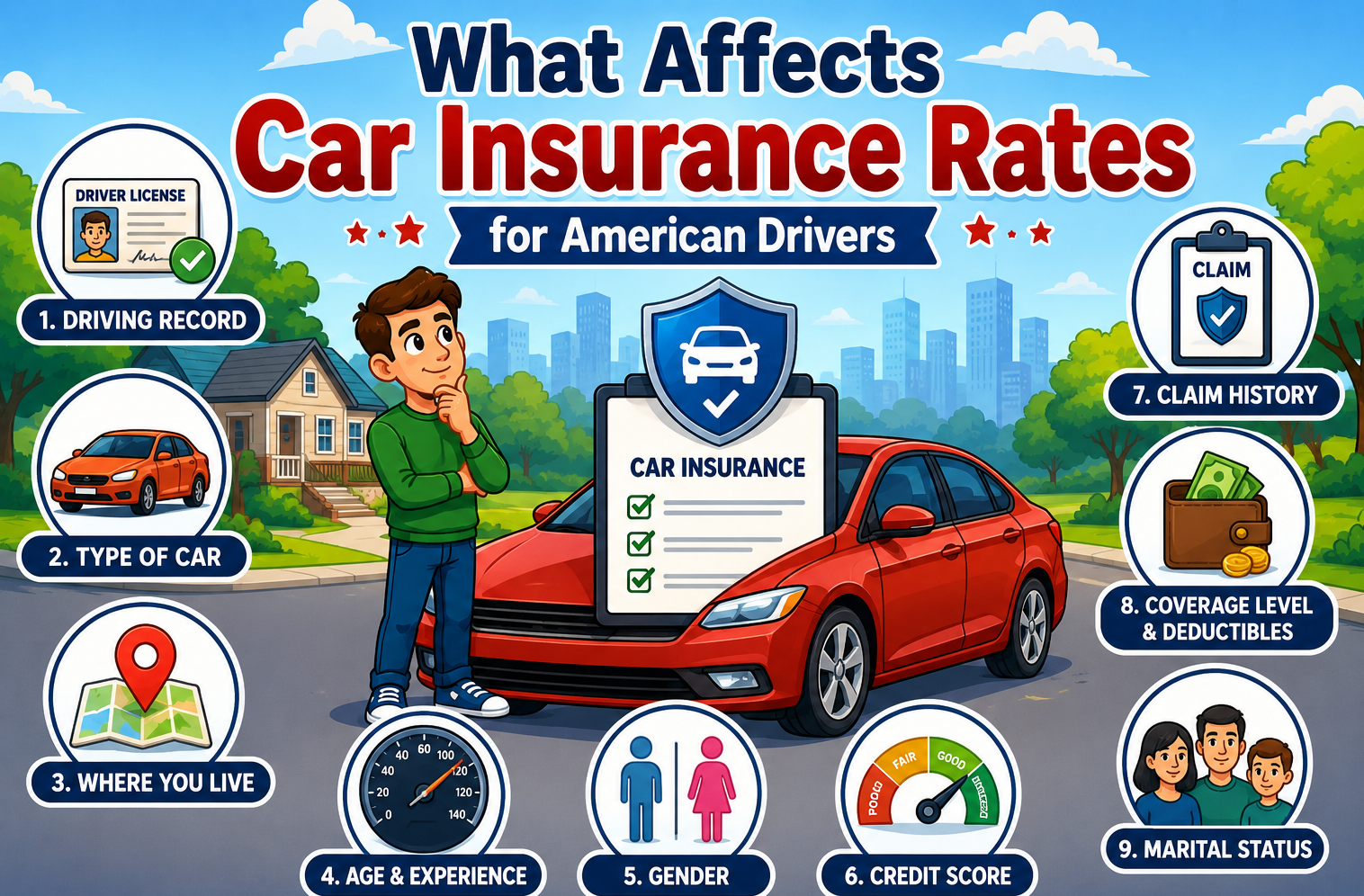
Common Factors That Affect Premiums
These may include:
- Driving history
- Age and experience
- Vehicle type
- Location
- Credit history in some states
- Annual mileage
- Coverage selections
Understanding these factors is the first step toward lowering costs.
Maintain a Clean Driving Record
One of the most effective ways to reduce insurance costs is by driving safely.
Why Safe Driving Matters
Drivers with fewer accidents and traffic violations are generally viewed as lower-risk customers.
Violations That Can Increase Premiums
Examples include:
- Speeding tickets
- Reckless driving citations
- At-fault accidents
- DUI offenses
Long-Term Savings
A clean driving record can lead to significant premium reductions over time.
Shop Around and Compare Quotes
Many drivers stay with the same insurer for years without comparing alternatives.
Rates Can Vary Significantly
Different insurance companies use different pricing models.
The same driver may receive substantially different quotes from multiple insurers.
Compare at Renewal Time
Reviewing quotes before policy renewal can help identify potential savings opportunities.
Don’t Focus Only on Price
Compare:
- Coverage limits
- Deductibles
- Customer service ratings
- Claims handling reputation
The lowest premium isn’t always the best overall value.
Bundle Insurance Policies
Many insurers reward customer loyalty.
What Bundling Means
Bundling involves purchasing multiple insurance products from the same company.
Examples include:
- Auto and home insurance
- Auto and renters insurance
- Auto and motorcycle insurance
Potential Benefits
Bundling may qualify drivers for discounts while simplifying policy management.
Increase Your Deductible
A deductible is the amount you pay before insurance coverage begins.
How Higher Deductibles Reduce Premiums
When drivers accept more financial responsibility for smaller claims, insurers often lower premiums.
Consider Your Emergency Savings
Before increasing a deductible, ensure you can comfortably cover the amount if a claim occurs.
Balance Savings and Risk
Choosing the right deductible requires balancing premium savings against potential out-of-pocket costs.
Take Advantage of Available Discounts
Many drivers miss opportunities to reduce premiums through discounts.
Common Insurance Discounts
Insurers may offer savings for:
- Safe driving
- Multiple vehicles
- Good students
- Defensive driving courses
- Vehicle safety features
- Low annual mileage
Ask Your Insurer Directly
Not all discounts are automatically applied.
Review available options regularly.
Choose Your Vehicle Carefully
The type of vehicle you drive has a major impact on insurance costs.
Factors Insurers Consider
Companies often evaluate:
- Repair costs
- Theft rates
- Vehicle value
- Safety ratings
- Performance characteristics
Sports Cars Often Cost More
High-performance vehicles typically carry higher premiums due to increased repair costs and accident risk.
Safety Features Can Help
Vehicles equipped with advanced safety systems may qualify for lower rates.
Improve Your Credit Profile
In many states, insurers consider credit-based insurance scores when calculating premiums.
Why Credit Matters
Statistical data suggests that individuals with stronger credit histories often file fewer claims.
Simple Ways to Improve Credit
Focus on:
- Paying bills on time
- Reducing outstanding debt
- Monitoring credit reports
- Avoiding excessive credit applications
Improved credit may contribute to lower insurance costs over time.
Limit Unnecessary Claims
Insurance exists to protect against significant financial losses.
Small Claims Can Affect Rates
Frequent claims may increase premiums or reduce eligibility for certain discounts.
Evaluate Minor Damage Carefully
In some cases, paying for small repairs out of pocket may be more cost-effective than filing a claim.
Use Insurance Strategically
Reserve claims for situations involving substantial financial loss.
Reduce Annual Mileage
How much you drive affects your exposure to risk.
Why Mileage Matters
More time on the road generally increases accident probability.
Low-Mileage Discounts
Many insurers offer savings for drivers who:
- Work remotely
- Have short commutes
- Drive infrequently
Track Your Driving Habits
Accurate mileage reporting may help you qualify for discounts.
Consider Usage-Based Insurance Programs
Technology has introduced new pricing options.
What Is Usage-Based Insurance?
Some insurers use telematics devices or smartphone apps to monitor driving behavior.
Behaviors Often Evaluated
Programs may track:
- Speed
- Braking patterns
- Acceleration
- Time of day driven
- Mileage
Potential Benefits
Safe drivers may qualify for personalized discounts based on actual driving habits.
Review Coverage on Older Vehicles
As vehicles age, insurance needs may change.
Evaluate Vehicle Value
For older vehicles with lower market values, certain optional coverages may no longer provide sufficient financial benefit.
Review Collision and Comprehensive Coverage
Consider:
- Vehicle replacement value
- Potential claim payouts
- Current premium costs
Discuss options with your insurance professional before making coverage changes.
Maintain Continuous Coverage
Insurance gaps can increase future premiums.
Why Continuous Coverage Matters
Insurers often view drivers with uninterrupted coverage as lower risk.
Avoid Policy Lapses
Missing payments or allowing coverage to expire may result in higher rates later.
Stay Protected
Continuous coverage benefits both legal compliance and long-term affordability.
Complete a Defensive Driving Course
Defensive driving programs provide benefits beyond improved safety.
Potential Advantages
Courses may help drivers:
- Improve driving skills
- Reduce accident risk
- Qualify for discounts
Especially Helpful for Certain Drivers
Some insurers offer larger discounts for younger or older drivers who complete approved courses.
Regularly Review Your Policy
Life circumstances change over time.
Reasons to Reevaluate Coverage
Examples include:
- Moving to a new location
- Vehicle replacement
- Marriage
- Retirement
- Reduced commuting
Annual Policy Reviews
Regular reviews help ensure you are not paying for unnecessary coverage while maintaining adequate protection.
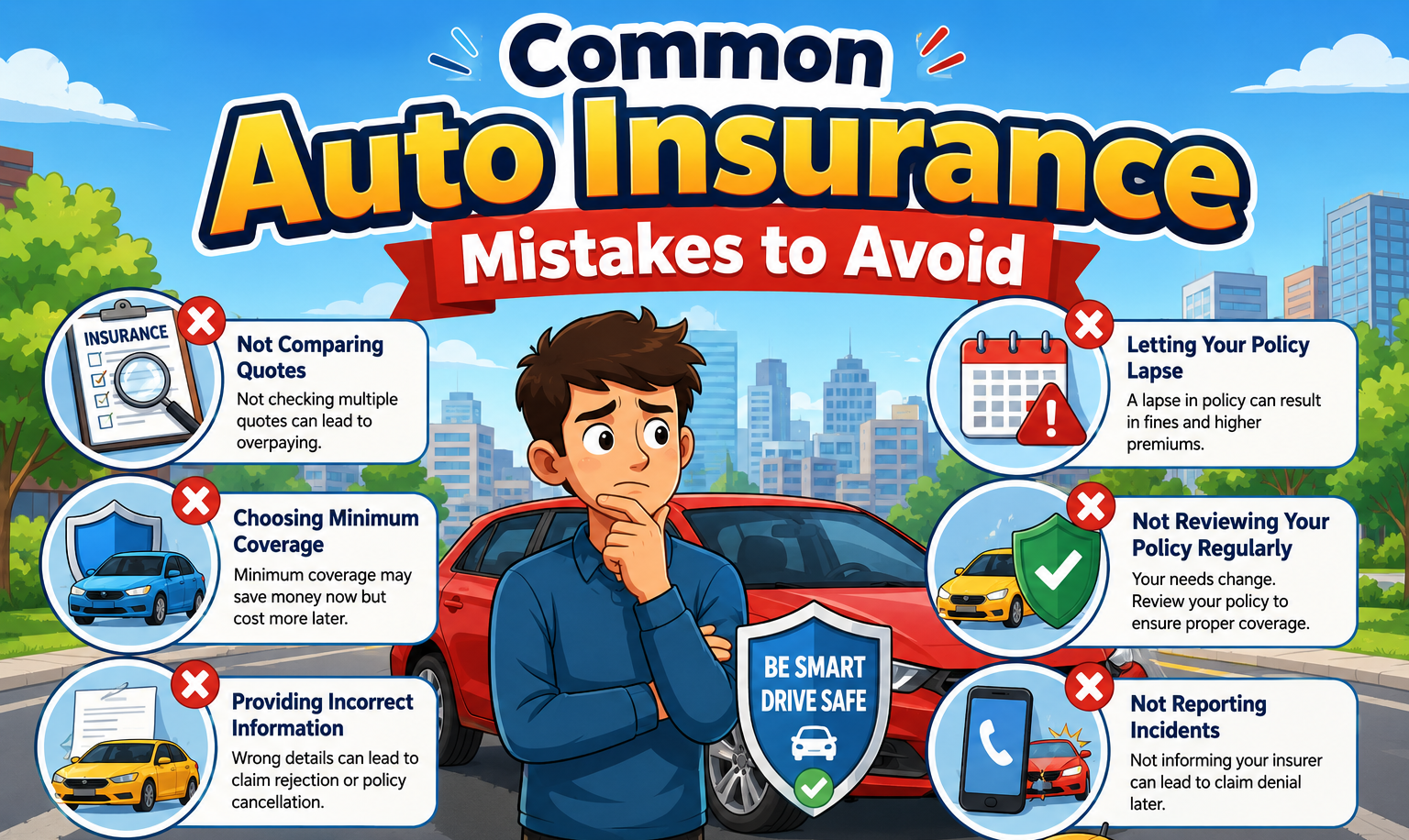
Avoid Common Costly Mistakes
Choosing Minimum Coverage Without Understanding Risks
Lower premiums may result in inadequate protection after serious accidents.
Focusing Solely on Price
Coverage quality matters just as much as affordability.
Forgetting to Ask About Discounts
Many drivers qualify for savings they never request.
Not Comparing Providers
Loyalty doesn’t always guarantee the best rates.
Recent Trends Affecting Insurance Costs
The insurance industry continues to evolve.
Rising Repair Expenses
Modern vehicles contain advanced sensors, cameras, and electronics that can increase repair costs.
Increased Use of Technology
Usage-based insurance programs are becoming more common.
Personalized Pricing Models
Insurers are increasingly using individual driving data to determine rates.
Drivers who demonstrate safe behavior may benefit from these changes.
Conclusion
Reducing car insurance costs doesn’t require sacrificing valuable protection. By maintaining a clean driving record, comparing quotes regularly, taking advantage of discounts, selecting appropriate coverage levels, improving credit health, and considering usage-based insurance programs, drivers can often achieve meaningful savings without compromising financial security.
The key is taking a proactive approach. Insurance premiums are influenced by numerous factors, many of which can be managed through informed decisions and responsible driving habits. By reviewing your policy regularly and understanding how insurers assess risk, you can position yourself for lower costs while maintaining the coverage needed to protect yourself, your passengers, and your financial future. In today’s evolving insurance market, informed consumers are often the ones who save the most.