Introduction
Owning a vehicle is a significant investment, and proper maintenance is one of the most effective ways to protect that investment. Unfortunately, many drivers focus on their cars only when something goes wrong. While modern vehicles are more reliable than ever, neglecting routine maintenance can lead to expensive repairs, reduced performance, lower fuel efficiency, and even safety risks.
The good news is that basic car maintenance doesn’t require advanced mechanical knowledge. By following a few simple practices and staying consistent with routine inspections, drivers can extend the life of their vehicles, improve reliability, and avoid many common automotive problems. Whether you drive a brand-new sedan, a family SUV, or a high-mileage used vehicle, understanding essential maintenance tasks can save you money and keep your car running smoothly for years. This guide covers the most important car maintenance tips every driver should know.
Why Regular Car Maintenance Matters
Routine maintenance is about more than preventing breakdowns.
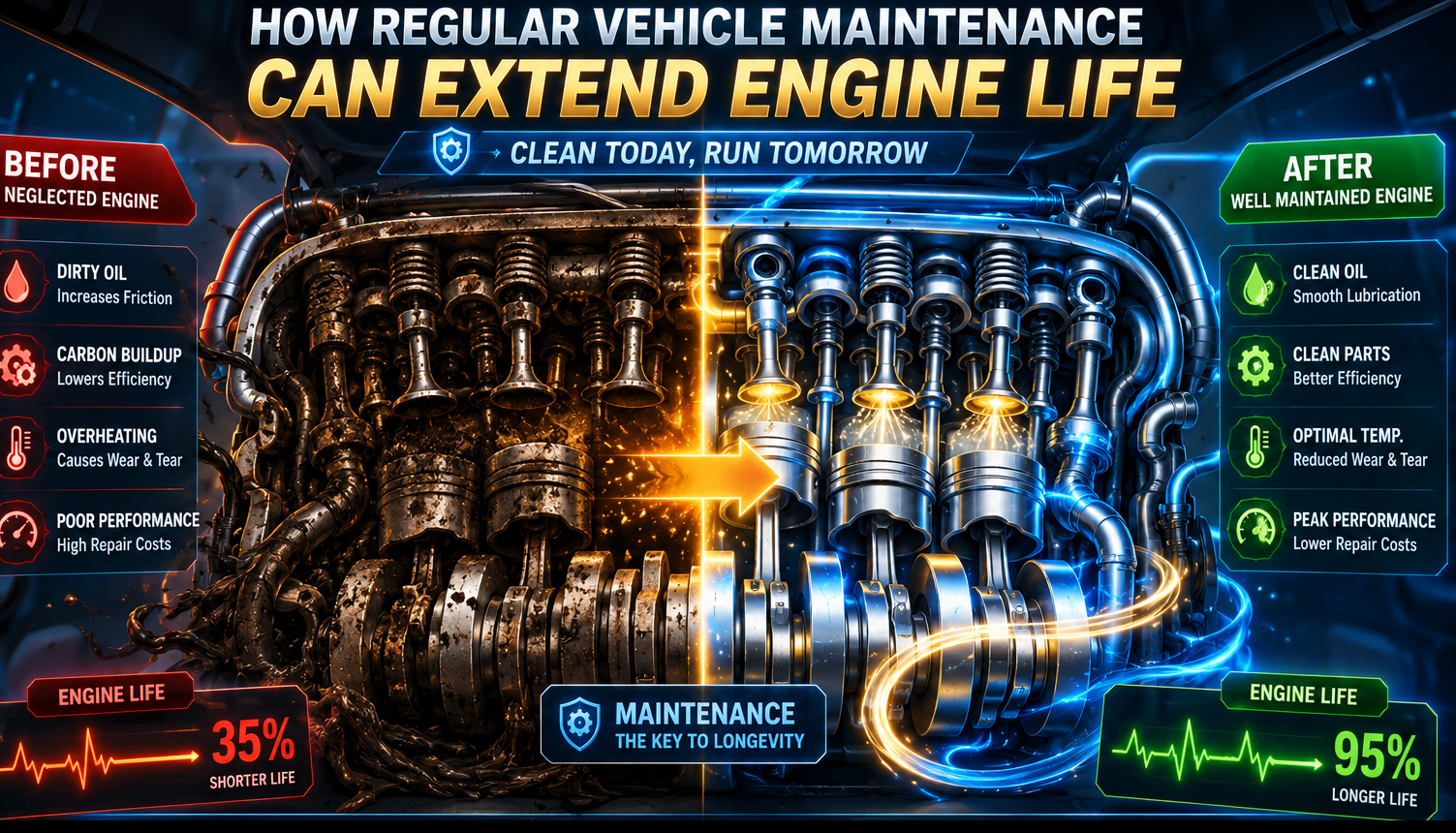
Extends Vehicle Lifespan
Proper care helps critical components last longer and perform more efficiently.
Improves Safety
Well-maintained vehicles are less likely to experience dangerous failures such as brake issues, tire blowouts, or engine problems.
Reduces Repair Costs
Preventive maintenance is usually much cheaper than major repairs caused by neglect.
Maintains Resale Value
Vehicles with documented maintenance histories often command higher resale values.
Follow the Manufacturer’s Maintenance Schedule
Every vehicle comes with a recommended maintenance schedule.
Why It Matters
Manufacturers design service intervals based on extensive testing and engineering data.
These schedules typically include:
- Oil changes
- Fluid replacements
- Tire rotations
- Filter replacements
- Inspection intervals
Where to Find It
Your owner’s manual provides detailed maintenance recommendations specific to your vehicle.
Following these guidelines helps maximize reliability and performance.
Change Engine Oil Regularly
Oil is often referred to as the lifeblood of an engine.
What Engine Oil Does
Oil helps:
- Lubricate moving parts
- Reduce friction
- Control heat
- Prevent premature wear
Signs It May Be Time for an Oil Change
Watch for:
- Dashboard warning lights
- Dark or dirty oil
- Increased engine noise
- Reduced performance
Regular oil changes remain one of the most important maintenance tasks for any vehicle.
Monitor Tire Condition and Pressure
Tires directly affect safety, fuel efficiency, and ride quality.
Check Tire Pressure Monthly
Underinflated tires can cause:
- Poor fuel economy
- Uneven wear
- Reduced handling
- Increased blowout risk
Use a reliable tire pressure gauge and follow manufacturer recommendations.
Inspect Tread Depth
Worn tires reduce traction, especially during wet weather.
Look for:
- Uneven wear patterns
- Cracks
- Bulges
- Low tread depth
Replacing worn tires improves both safety and performance.
Rotate Tires Regularly
Tires wear differently depending on their position on the vehicle.
Benefits of Tire Rotation
Regular rotations help:
- Promote even wear
- Extend tire life
- Improve handling
- Maximize tire performance
Most manufacturers recommend tire rotations approximately every 5,000 to 8,000 miles.
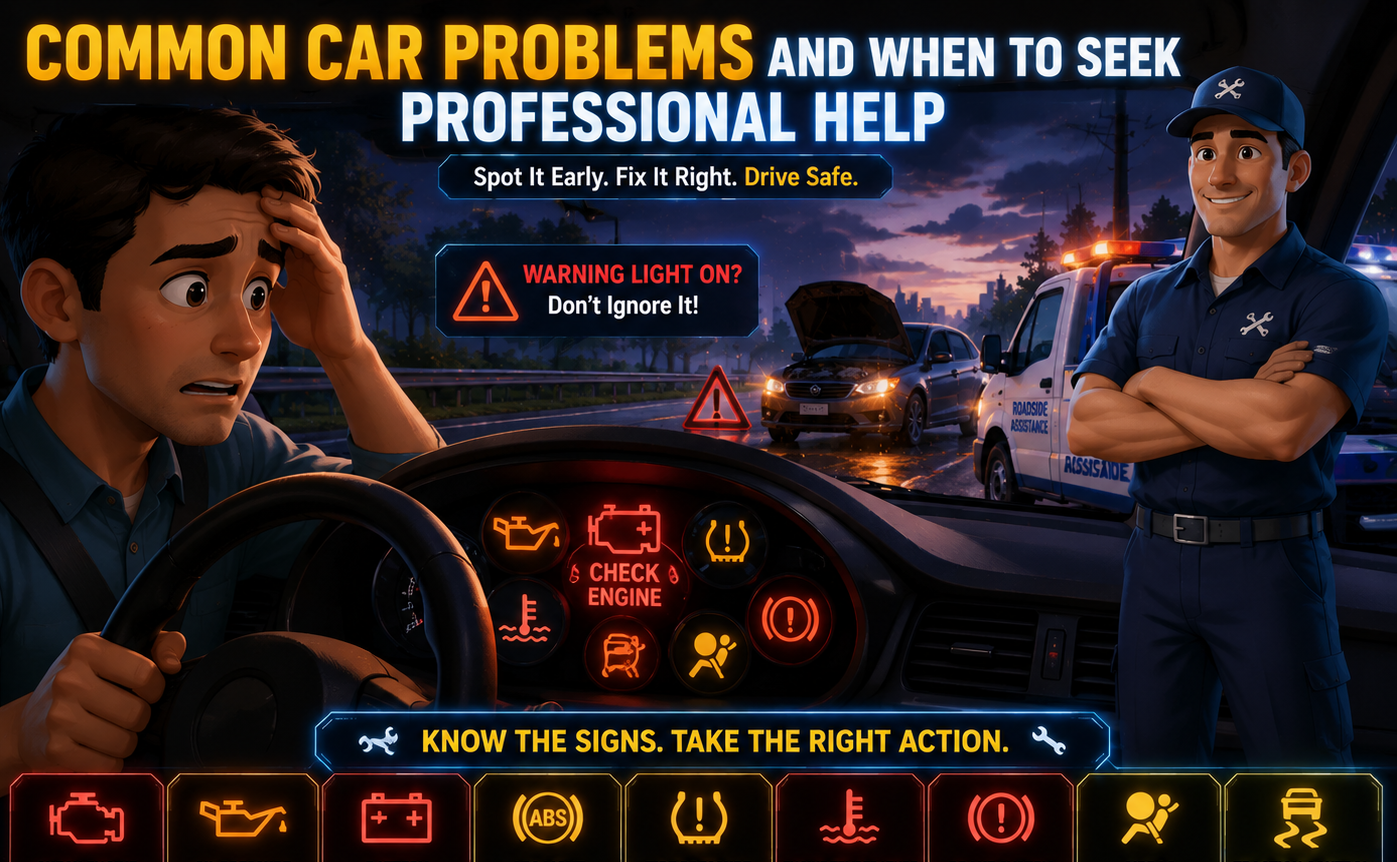
Pay Attention to Warning Lights
Modern vehicles use onboard diagnostic systems to monitor performance.
Never Ignore Dashboard Alerts
Common warning lights include:
- Check engine light
- Oil pressure warning
- Battery warning
- Brake system warning
- Tire pressure monitoring alerts
Ignoring warning lights can allow minor issues to become major repairs.
Address Problems Early
Early diagnosis often reduces repair costs and prevents additional damage.
Check Fluid Levels Frequently
Vehicles rely on several fluids to operate properly.
Essential Fluids to Monitor
Drivers should regularly inspect:
- Engine oil
- Coolant
- Brake fluid
- Transmission fluid
- Power steering fluid
- Windshield washer fluid
Why Fluid Levels Matter
Low fluid levels can lead to reduced performance, overheating, component wear, and costly repairs.
Replace Air Filters When Needed
Air filters play an important role in vehicle performance.
Engine Air Filters
A clean engine air filter helps:
- Improve airflow
- Enhance fuel efficiency
- Maintain engine performance
Cabin Air Filters
Cabin filters improve:
- Interior air quality
- HVAC performance
- Passenger comfort
Replacing dirty filters is an inexpensive way to support overall vehicle health.
Inspect and Maintain Brakes
Brakes are one of the most important safety systems on any vehicle.
Warning Signs of Brake Problems
Watch for:
- Squealing noises
- Grinding sounds
- Vibrations during braking
- Reduced stopping power
- Dashboard brake warnings
Regular Inspections
Routine brake inspections help identify worn components before they create safety concerns.
Keep the Battery in Good Condition
Battery problems are a common cause of vehicle breakdowns.
Check Battery Connections
Inspect for:
- Corrosion
- Loose terminals
- Damaged cables
Monitor Battery Age
Most automotive batteries last several years, but performance declines over time.
Replacing an aging battery before failure helps avoid unexpected breakdowns.
Maintain the Cooling System
The cooling system prevents the engine from overheating.
Why Cooling System Maintenance Is Important
Overheating can cause severe engine damage that may require costly repairs.
Key Maintenance Tasks
Regularly:
- Check coolant levels
- Inspect hoses
- Look for leaks
- Monitor temperature gauges
Cooling system problems should be addressed immediately.
Keep Your Vehicle Clean
Cleaning your car isn’t just about appearance.
Exterior Benefits
Regular washing helps remove:
- Dirt
- Road salt
- Bird droppings
- Environmental contaminants
This helps protect paint and prevent corrosion.
Interior Benefits
A clean interior improves comfort and helps preserve resale value.
Regular vacuuming and cleaning can prevent premature wear on upholstery and surfaces.
Replace Windshield Wipers When Necessary
Good visibility is essential for safe driving.
Signs of Worn Wipers
Replace wipers if they:
- Leave streaks
- Skip across the glass
- Produce noise
- Fail to clear water effectively
Affordable Safety Improvement
New wiper blades are inexpensive and can significantly improve driving safety during rain and snow.
Listen to Your Vehicle
Cars often provide warning signs before major problems occur.
Unusual Sounds to Watch For
Pay attention to:
- Knocking noises
- Grinding sounds
- Squeaks
- Vibrations
- Unusual engine sounds
Address Changes Promptly
Investigating unusual behavior early often prevents larger repairs.
Maintain Proper Driving Habits
How you drive affects vehicle longevity.
Avoid Aggressive Driving
Rapid acceleration and hard braking can increase wear on:
- Brakes
- Tires
- Transmission components
- Suspension systems
Warm Up Responsibly
Modern vehicles generally do not require extended warm-up periods, but allowing the engine a brief moment before driving aggressively is beneficial.
Keep Maintenance Records
Documentation provides several advantages.
Benefits of Service Records
Records help:
- Track maintenance history
- Schedule future service
- Increase resale value
- Demonstrate responsible ownership
Digital maintenance apps have made recordkeeping easier than ever.
Common Car Maintenance Mistakes to Avoid
Ignoring Small Problems
Minor issues often become expensive repairs when left unresolved.
Delaying Routine Service
Postponing maintenance can shorten vehicle lifespan and increase costs.
Using Incorrect Fluids
Always follow manufacturer specifications when selecting fluids and replacement parts.
Skipping Professional Inspections
Even attentive owners benefit from periodic inspections by qualified technicians.
Recent Trends in Vehicle Maintenance
Technology continues to improve vehicle maintenance practices.
Advanced Diagnostic Systems
Modern vehicles can identify problems earlier than older models.
Maintenance Tracking Apps
Many drivers now use smartphone apps to manage service schedules.
Longer Service Intervals
Advances in engineering and synthetic lubricants have extended maintenance intervals for many modern vehicles.
However, regular inspections remain essential.
Conclusion
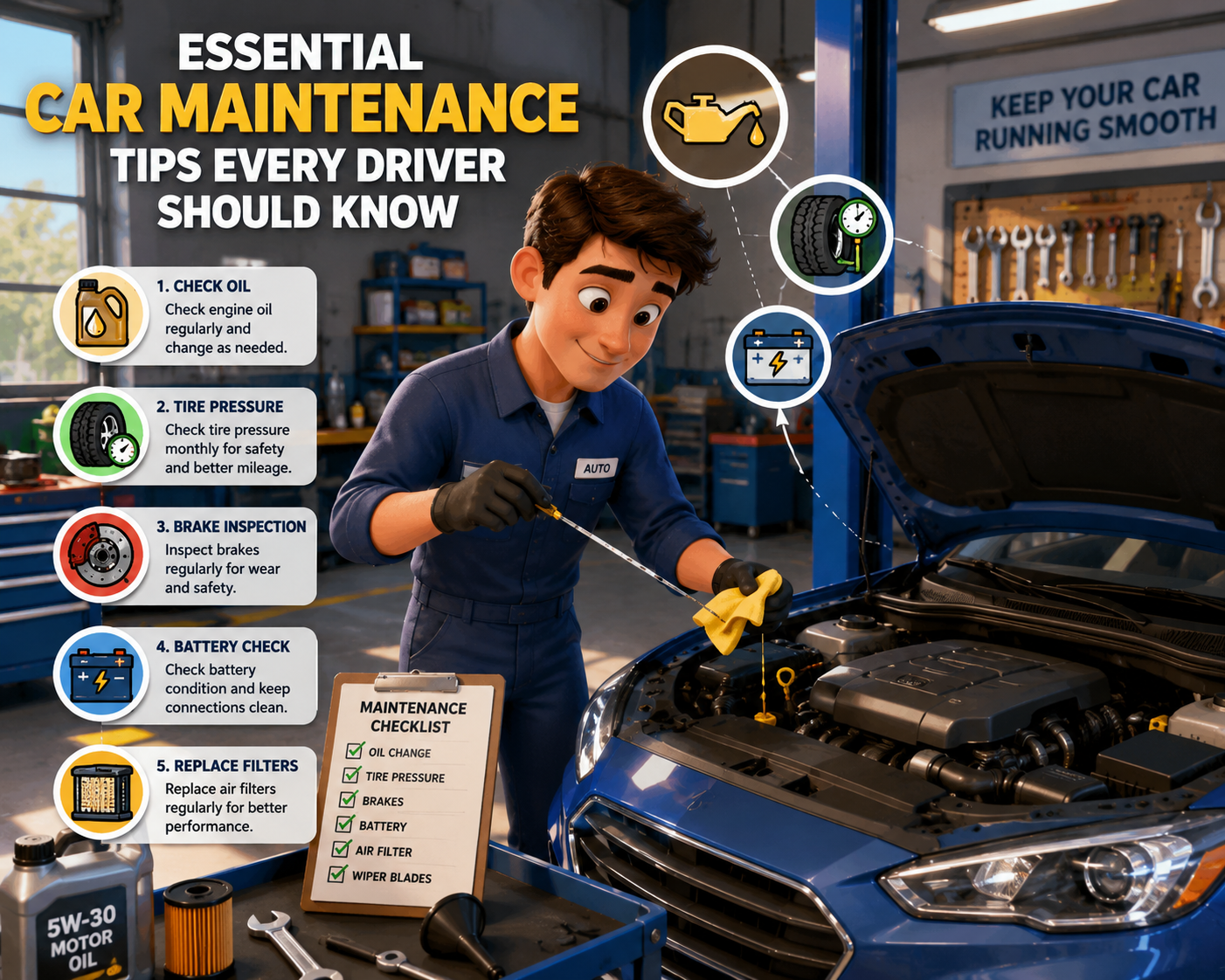
Proper vehicle maintenance is one of the smartest investments any driver can make. Simple tasks such as changing oil, monitoring tire pressure, inspecting brakes, checking fluid levels, replacing filters, and paying attention to warning signs can significantly improve reliability and reduce long-term ownership costs.
The key to successful car maintenance is consistency. Small maintenance tasks completed on time often prevent expensive repairs and unexpected breakdowns. By following the manufacturer’s recommendations and staying proactive about vehicle care, drivers can enjoy better performance, improved safety, greater fuel efficiency, and a longer vehicle lifespan. A well-maintained car not only saves money but also provides peace of mind every time you get behind the wheel.