Introduction
The engine is often called the heart of a vehicle, and for good reason. It powers every journey, whether you’re commuting to work, taking a family road trip, or running daily errands. Yet many drivers don’t think much about their engine until a warning light appears or performance begins to decline. Unfortunately, neglecting routine maintenance is one of the leading causes of premature engine wear and costly repairs.
Modern engines are designed to last longer than ever before, with many vehicles capable of reaching 200,000 miles or more when properly maintained. However, achieving that level of longevity requires consistent care and attention. Regular maintenance not only improves reliability and fuel efficiency but also helps prevent mechanical problems that can significantly shorten engine life. This guide explains how routine vehicle maintenance protects your engine and outlines the most important practices every driver should follow to maximize long-term performance.
Why Engine Maintenance Matters
A vehicle’s engine consists of hundreds of moving components working together under extreme temperatures and pressure.
Preventing Premature Wear
Without proper maintenance, friction, heat, and contamination can gradually damage internal engine parts.
Reducing Repair Costs
Preventive maintenance is almost always less expensive than major engine repairs or replacement.
Improving Vehicle Reliability
A well-maintained engine is less likely to experience unexpected breakdowns and performance issues.
Protecting Resale Value
Vehicles with documented maintenance histories often command higher resale prices because buyers value reliability.
The Role of Engine Oil in Engine Longevity
Engine oil is one of the most important factors affecting engine health.
Why Oil Is Essential
Motor oil performs several critical functions:
- Lubricates moving components
- Reduces friction
- Controls engine temperature
- Prevents corrosion
- Removes contaminants
Without proper lubrication, engine parts can wear out quickly.
Regular Oil Changes Matter
Over time, oil becomes contaminated and loses its effectiveness.
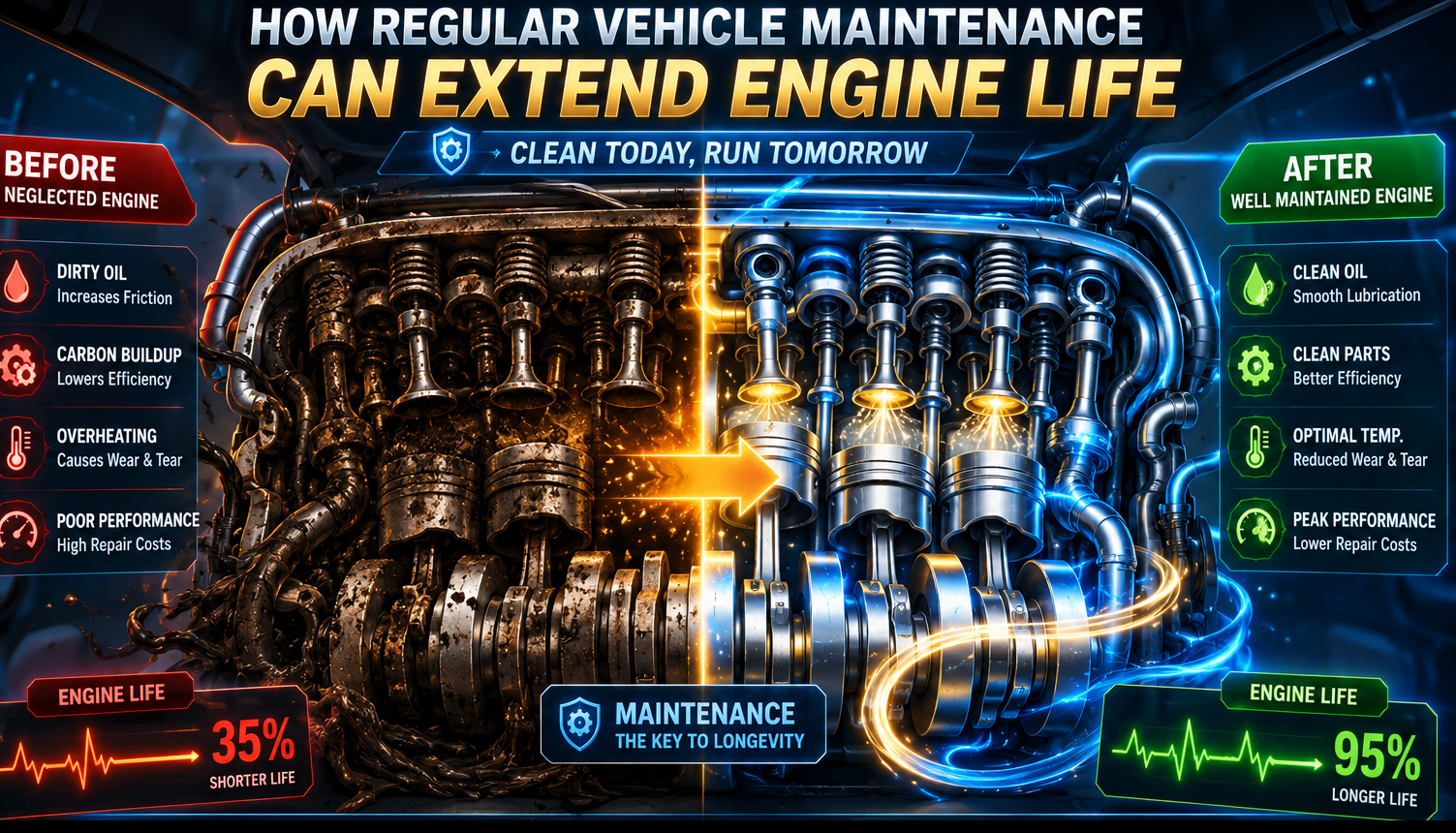
Dirty oil can lead to:
- Increased friction
- Reduced performance
- Excessive engine wear
- Higher operating temperatures
Following manufacturer-recommended oil change intervals is one of the simplest ways to extend engine life.
Use the Correct Oil for Your Vehicle
Not all engine oils are the same.
Follow Manufacturer Recommendations
Vehicle manufacturers specify oil types based on engine design and operating conditions.
Using the wrong oil may:
- Reduce lubrication effectiveness
- Affect fuel economy
- Increase engine wear
Synthetic vs. Conventional Oil
Many modern vehicles benefit from synthetic oils because they offer:
- Better temperature resistance
- Improved protection
- Longer service intervals
- Enhanced performance
Always consult your owner’s manual before choosing an oil type.
Keep the Cooling System in Good Condition
Excessive heat is one of an engine’s greatest enemies.
How the Cooling System Protects the Engine
The cooling system helps regulate operating temperatures by circulating coolant through the engine.
Signs of Cooling System Problems
Watch for:
- Engine overheating
- Coolant leaks
- Temperature gauge fluctuations
- Steam from under the hood
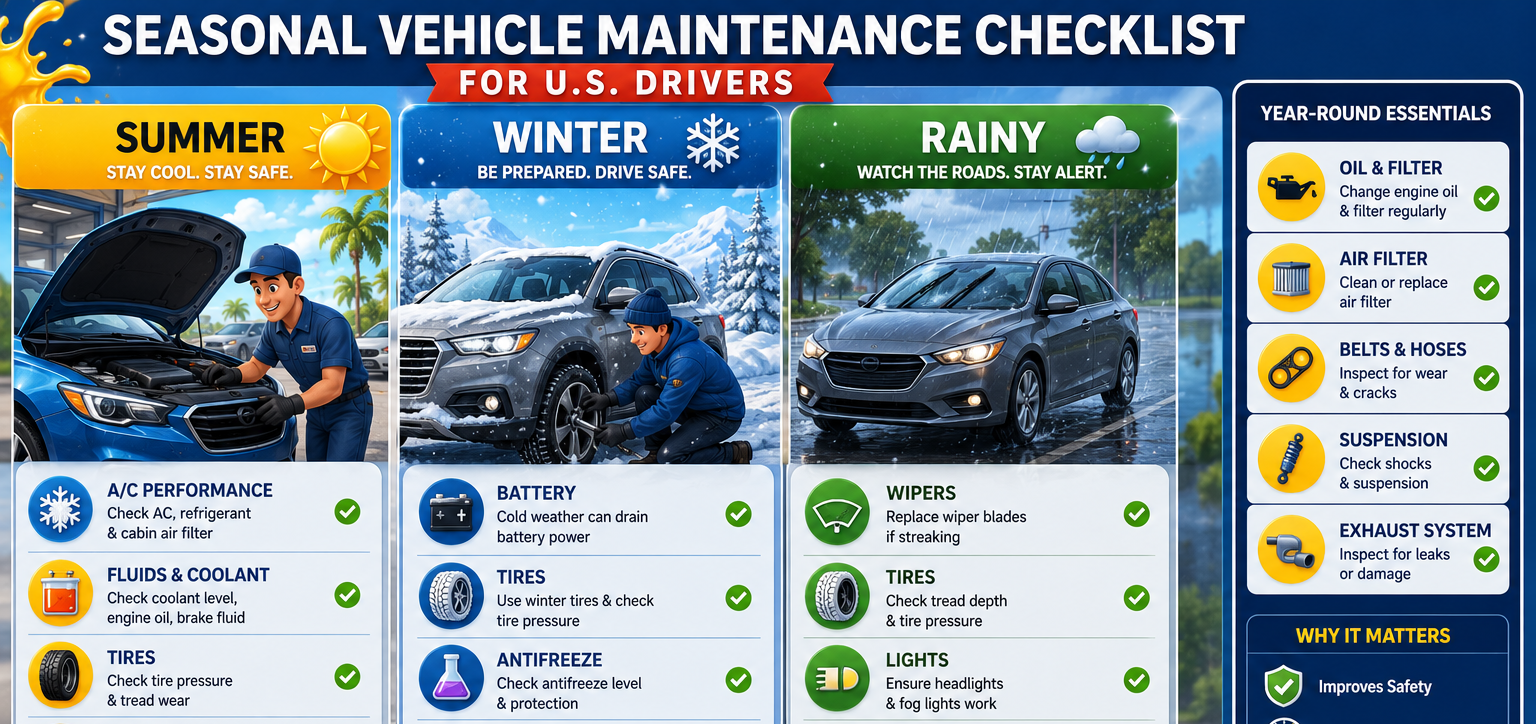
Routine Cooling System Maintenance
Regularly inspect:
- Coolant levels
- Hoses
- Radiator condition
- Water pump performance
Preventing overheating can significantly extend engine lifespan.
Replace Air Filters Regularly
An engine requires a steady supply of clean air for efficient combustion.
What Air Filters Do
Engine air filters help prevent dirt and debris from entering the engine.
Consequences of a Dirty Air Filter
Restricted airflow can result in:
- Reduced fuel efficiency
- Poor performance
- Increased engine strain
Replacing air filters at recommended intervals helps maintain optimal engine operation.
Monitor Fluid Levels Consistently
Several fluids contribute to engine health and overall vehicle performance.
Important Fluids to Check
Drivers should monitor:
- Engine oil
- Coolant
- Transmission fluid
- Brake fluid
- Power steering fluid
Why Fluid Maintenance Matters
Low fluid levels can create additional stress on engine components and related systems.
Routine inspections help identify leaks and potential issues before they become serious problems.
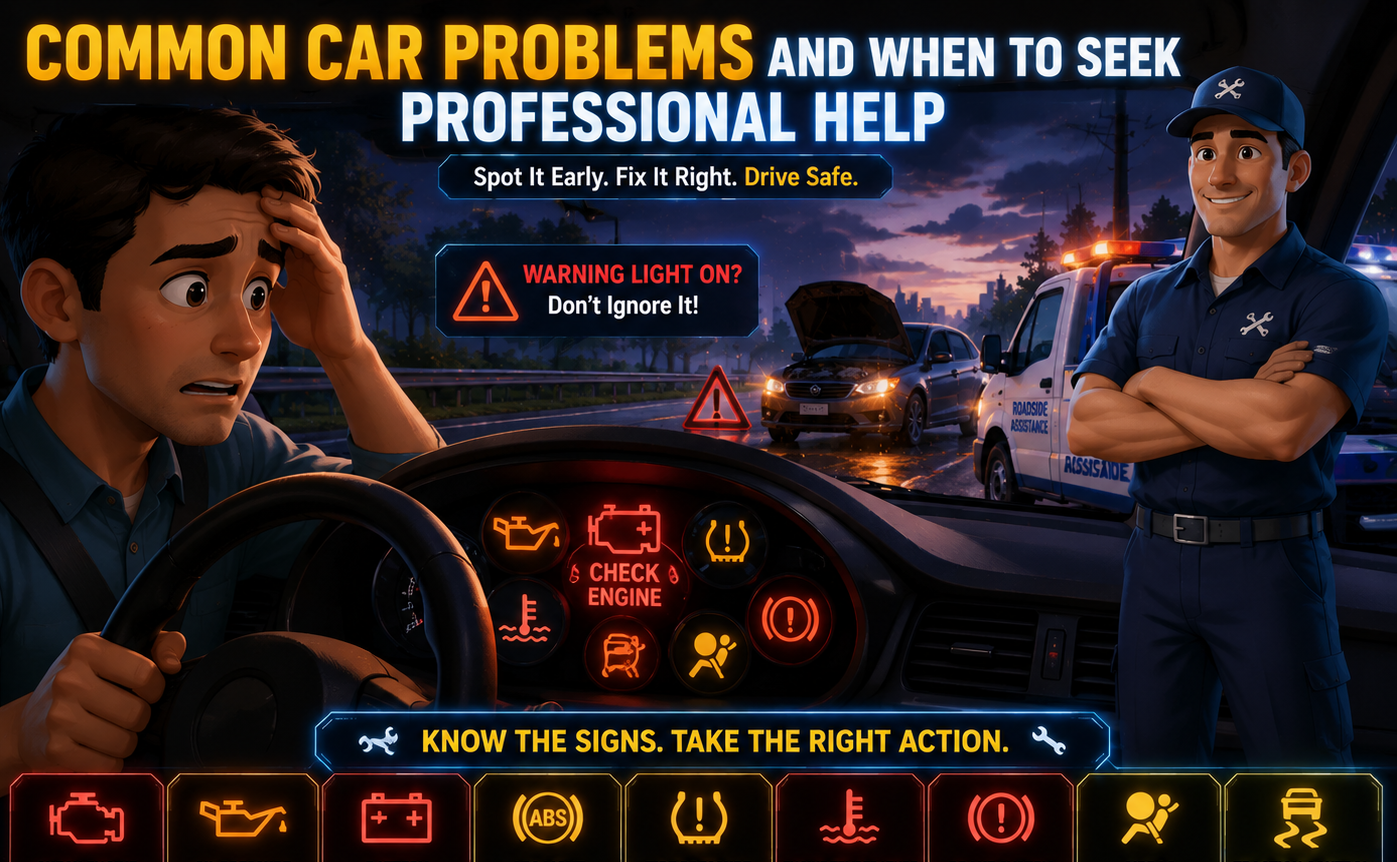
Address Warning Lights Immediately
Modern vehicles include advanced diagnostic systems designed to detect problems early.
The Importance of Dashboard Alerts
Warning lights often indicate developing issues before noticeable symptoms appear.
Common alerts include:
- Check engine light
- Oil pressure warning
- Temperature warning
- Battery warning
Early Diagnosis Saves Money
Ignoring warning lights can allow minor problems to escalate into expensive engine repairs.
Prompt attention helps prevent further damage.
Maintain the Fuel System
A healthy fuel system supports efficient engine performance.
Fuel System Components
Key components include:
- Fuel injectors
- Fuel pump
- Fuel filter
- Fuel lines
Benefits of Fuel System Maintenance
Regular maintenance can help:
- Improve fuel economy
- Enhance engine performance
- Reduce emissions
- Prevent fuel delivery issues
Using quality fuel and replacing fuel filters as recommended can contribute to engine longevity.
Replace Spark Plugs When Necessary
Spark plugs play a critical role in engine operation.
What Spark Plugs Do
They ignite the air-fuel mixture that powers the engine.
Symptoms of Worn Spark Plugs
Common signs include:
- Rough idling
- Poor acceleration
- Misfires
- Reduced fuel economy
Replacing spark plugs at recommended intervals helps maintain efficient combustion and reduces engine stress.
Avoid Aggressive Driving Habits
Driving style has a direct impact on engine wear.
Harmful Driving Behaviors
Examples include:
- Rapid acceleration
- Hard braking
- Excessive speeding
- Frequent high-RPM driving
Benefits of Smooth Driving
Gentle acceleration and steady driving help reduce strain on engine components.
Over time, responsible driving habits can contribute significantly to engine longevity.
Don’t Ignore Small Problems
Minor issues rarely fix themselves.
Common Early Warning Signs
Pay attention to:
- Unusual noises
- Vibrations
- Fluid leaks
- Performance changes
- Smoke from the exhaust
Why Early Repairs Matter
Addressing problems promptly often prevents more serious engine damage and higher repair costs.
Warm Up and Cool Down Properly
Although modern vehicles don’t require long warm-up periods, proper operating habits still matter.
Cold Starts
Allowing the engine a brief moment to stabilize before aggressive driving can help reduce wear.
After Heavy Driving
Vehicles subjected to towing, steep climbs, or extended highway driving may benefit from a short cool-down period before shutting off.
These practices help protect engine components from excessive stress.
Keep the Engine Clean
A clean engine compartment makes maintenance easier and helps identify issues more quickly.
Benefits of Engine Cleaning
Cleaning can help:
- Spot fluid leaks
- Prevent dirt buildup
- Improve maintenance access
- Reduce corrosion risk
Use Safe Cleaning Methods
Avoid excessive water pressure and follow manufacturer recommendations when cleaning engine components.
Follow Scheduled Maintenance Intervals
Routine service schedules exist for a reason.
Maintenance Tasks That Protect the Engine
Typical recommendations include:
- Oil changes
- Air filter replacements
- Spark plug inspections
- Coolant service
- Belt inspections
Long-Term Benefits
Consistently following maintenance schedules helps prevent many common causes of engine failure.
Modern Engines Can Last Longer Than Ever
Automotive engineering has improved dramatically in recent decades.
Advances in Engine Technology
Modern engines benefit from:
- Better materials
- Improved lubrication systems
- Advanced diagnostics
- More precise fuel delivery
Maintenance Remains Essential
Even the most advanced engine depends on regular care to achieve maximum lifespan.
Technology can reduce maintenance requirements, but it cannot eliminate them entirely.
Common Maintenance Mistakes That Shorten Engine Life
Skipping Oil Changes
Neglected oil changes remain one of the leading causes of premature engine wear.
Ignoring Leaks
Small leaks can quickly become major mechanical problems.
Delaying Repairs
Waiting too long to address warning signs often increases repair costs.
Using Low-Quality Parts
Quality replacement parts help ensure proper performance and reliability.
Conclusion
Regular vehicle maintenance is one of the most effective ways to extend engine life and protect your investment. Simple tasks such as changing oil, monitoring fluid levels, replacing air filters, maintaining the cooling system, inspecting spark plugs, and responding quickly to warning signs can significantly reduce wear and prevent costly repairs.
The key to long engine life is consistency. Modern engines are capable of delivering hundreds of thousands of miles of reliable service, but only when they receive the care they need. By following manufacturer recommendations and adopting proactive maintenance habits, drivers can enjoy better performance, improved fuel efficiency, fewer breakdowns, and a much longer-lasting engine. In the long run, a little maintenance today can save thousands of dollars and help keep your vehicle running smoothly for many years to come.