Introduction
Buying a car is an exciting experience, but it can also be one of the most expensive purchases many people make. Whether you’re shopping for a brand-new vehicle or a reliable used car, getting the best deal requires more than simply finding a model you like. Smart buyers understand that preparation, research, timing, and negotiation can make a significant difference in the final price they pay.
In today’s automotive market, vehicle prices, financing rates, and dealership incentives can vary widely. A buyer who takes time to compare options and understand the purchasing process can potentially save thousands of dollars. The good news is that you don’t need to be an automotive expert to secure a great deal. By following a few practical strategies and avoiding common mistakes, you can confidently navigate the car-buying process and maximize your value. This guide explains how to get the best deal when purchasing a car while staying within your budget.
Start With a Realistic Budget
Before looking at vehicles, determine how much you can comfortably afford.
Consider Total Ownership Costs
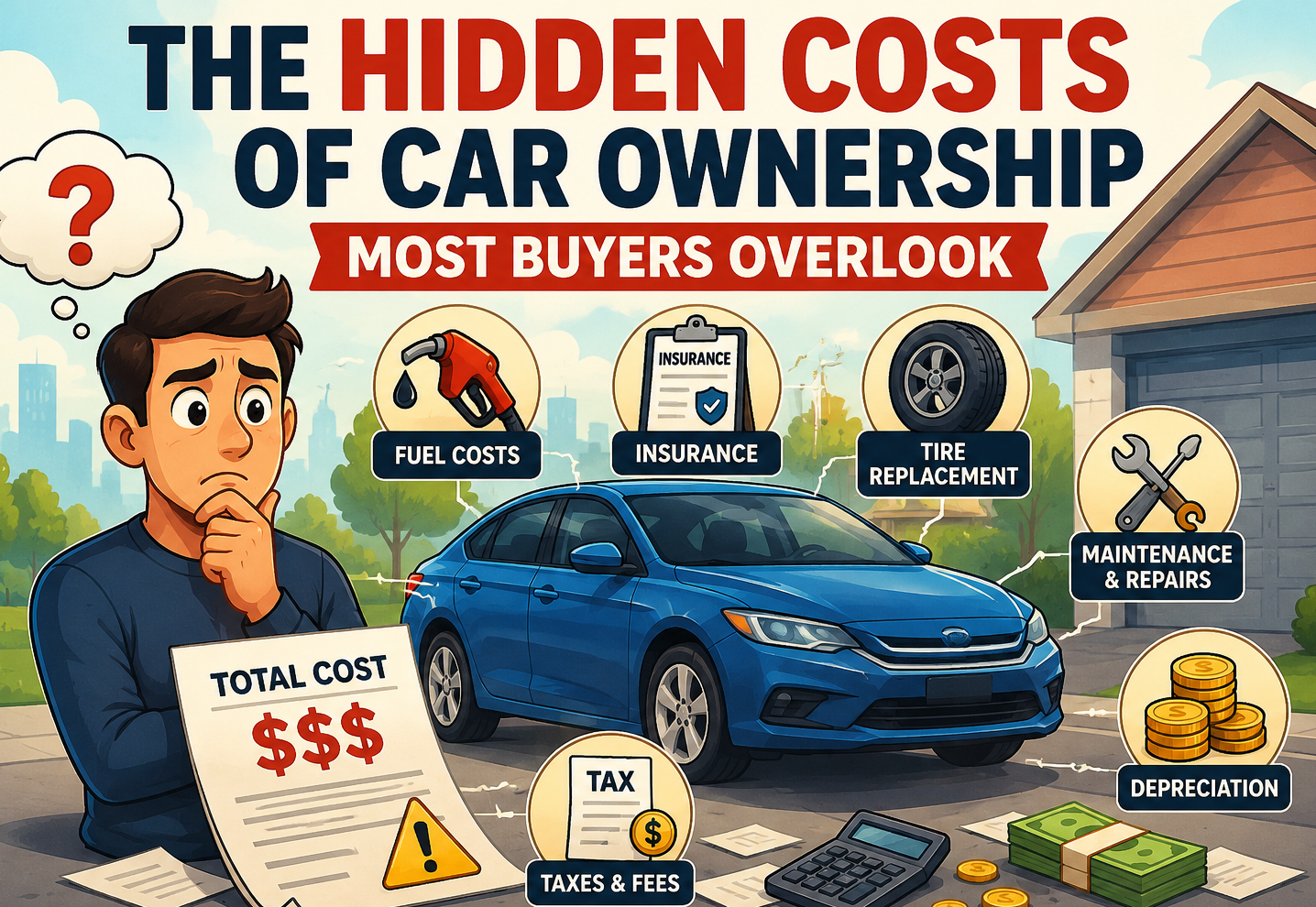
The purchase price is only one part of the equation. You should also account for:
- Insurance premiums
- Fuel costs
- Registration fees
- Maintenance expenses
- Loan payments
- Taxes
A vehicle that seems affordable at first may become expensive when all ownership costs are considered.
Set a Maximum Spending Limit
Having a firm budget helps prevent emotional purchasing decisions and keeps negotiations focused.
Research Before Visiting a Dealership
Knowledge is one of the most powerful tools a car buyer can have.
Compare Multiple Vehicles
Research several models within your budget rather than focusing on a single option.
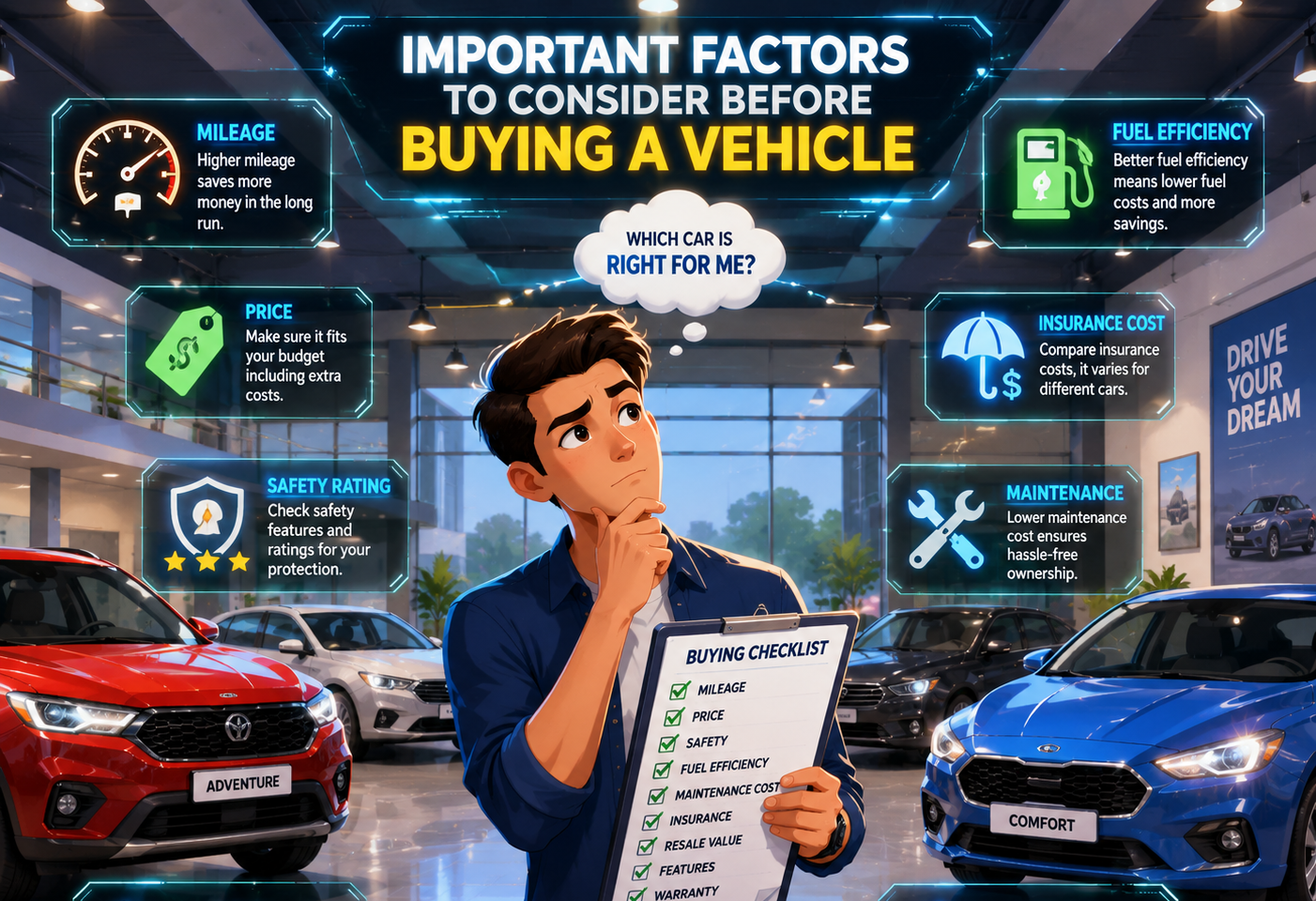
Consider factors such as:
- Reliability ratings
- Fuel economy
- Safety scores
- Maintenance costs
- Resale value
Read Owner Reviews
Current owners often provide valuable insights about long-term performance and common issues.
The more informed you are, the stronger your negotiating position becomes.
Understand Market Pricing
Knowing a vehicle’s fair market value can help you recognize a good deal.
Check Multiple Sources
Compare pricing from:
- Dealership websites
- Automotive marketplaces
- Manufacturer websites
- Local listings
Look Beyond the Sticker Price
Some dealerships advertise attractive prices while adding extra fees later.
Always review the complete out-the-door price before making a decision.
Shop Around and Compare Dealers
One of the biggest mistakes buyers make is purchasing from the first dealership they visit.
Request Multiple Quotes
Contact several dealerships and compare:
- Vehicle pricing
- Financing offers
- Trade-in values
- Available incentives
Competition often encourages dealers to offer better pricing.
Don’t Be Afraid to Travel
Sometimes a dealership in a nearby city may offer significantly better deals than local options.
A short drive could save hundreds or even thousands of dollars.
Time Your Purchase Strategically
Timing can play an important role in securing a better deal.
Shop at the End of the Month
Salespeople and dealerships often have monthly sales targets.
As deadlines approach, they may become more willing to negotiate.
Consider Year-End Sales
Many dealerships offer promotions toward the end of the year to clear inventory and make room for new models.
Watch for Holiday Incentives
Special sales events frequently occur during major holidays.
These promotions may include:
- Cashback offers
- Low-interest financing
- Manufacturer rebates
Secure Financing Before Shopping
Many buyers focus on vehicle selection before considering financing.
Get Pre-Approved
Obtaining financing through a bank or credit union before visiting a dealership offers several advantages:
- Better negotiating power
- Clear budget limits
- Easier comparison of loan offers
Compare Interest Rates
Even a small difference in interest rates can significantly impact the total cost of the loan.
Always compare multiple lenders before committing.
Negotiate the Vehicle Price First
Many buyers make the mistake of discussing monthly payments too early.
Focus on Total Price
Dealers may lower monthly payments by extending loan terms rather than reducing vehicle costs.
Always negotiate:
- Vehicle price
- Trade-in value
- Financing separately
Stay Calm During Negotiations
Successful negotiations require patience.
Avoid appearing overly attached to a specific vehicle, as this may reduce your bargaining power.
Be Careful With Add-Ons
Dealerships often offer additional products during the purchasing process.
Common Add-Ons
Examples include:
- Extended warranties
- Paint protection packages
- Tire protection plans
- Interior protection services
- Gap insurance
Evaluate Actual Value
Some add-ons may be useful, but many buyers purchase products they don’t truly need.
Review each option carefully before agreeing.
Consider Certified Pre-Owned Vehicles
Certified Pre-Owned (CPO) vehicles can offer excellent value.
Why CPO Vehicles Are Popular
Benefits often include:
- Manufacturer inspections
- Extended warranties
- Roadside assistance
- Lower prices than new vehicles
Best of Both Worlds
Many buyers find that CPO vehicles provide the reliability of newer cars without the higher cost of purchasing brand-new.
Get a Vehicle Inspection for Used Cars
When purchasing a used vehicle, an inspection can help prevent costly surprises.
What an Inspection Can Reveal
A qualified mechanic may identify:
- Hidden damage
- Mechanical issues
- Maintenance concerns
- Safety problems
Small Cost, Potentially Huge Savings
Spending a little on an inspection can prevent expensive repairs later.
Understand Trade-In Values
If you’re trading in your current vehicle, preparation matters.
Research Your Vehicle’s Value
Check multiple valuation sources before visiting a dealership.
Clean and Prepare Your Vehicle
Simple improvements such as:
- Washing the exterior
- Cleaning the interior
- Fixing minor issues
can improve perceived value during appraisal.
Negotiate Separately
Treat the trade-in and vehicle purchase as separate transactions whenever possible.
Avoid Emotional Buying Decisions
Buying a car often involves excitement, but emotions can lead to costly mistakes.
Don’t Rush
Take time to:
- Compare options
- Review paperwork
- Evaluate financing
- Consider alternatives
Be Willing to Walk Away
One of the strongest negotiation tools is the willingness to leave if the deal doesn’t meet your expectations.
There will always be other vehicles available.
Review the Contract Carefully
Before signing, read every document thoroughly.
Verify Important Details
Confirm:
- Vehicle price
- Loan amount
- Interest rate
- Loan term
- Fees and charges
- Warranty information
Ask Questions
Never sign paperwork you don’t fully understand.
Reputable dealerships should be willing to explain every detail.
Common Car Buying Mistakes to Avoid
Shopping Without Research
Lack of preparation often leads to poor purchasing decisions.
Focusing Only on Monthly Payments
Lower payments can sometimes mean longer loan terms and higher overall costs.
Ignoring Ownership Costs
Fuel, insurance, and maintenance expenses matter just as much as the purchase price.
Buying Under Pressure
Take your time and avoid making decisions solely because of sales tactics.
Recent Trends Affecting Car Buyers
The automotive market continues to evolve.
Increased Vehicle Technology
Modern vehicles include more advanced safety and convenience features than ever before.
Growing Hybrid Popularity
Many buyers are choosing hybrid vehicles to reduce fuel expenses.
Online Car Shopping
Digital platforms now allow buyers to compare inventory, pricing, and financing options more easily than ever.
These tools provide greater transparency and empower consumers.
Conclusion
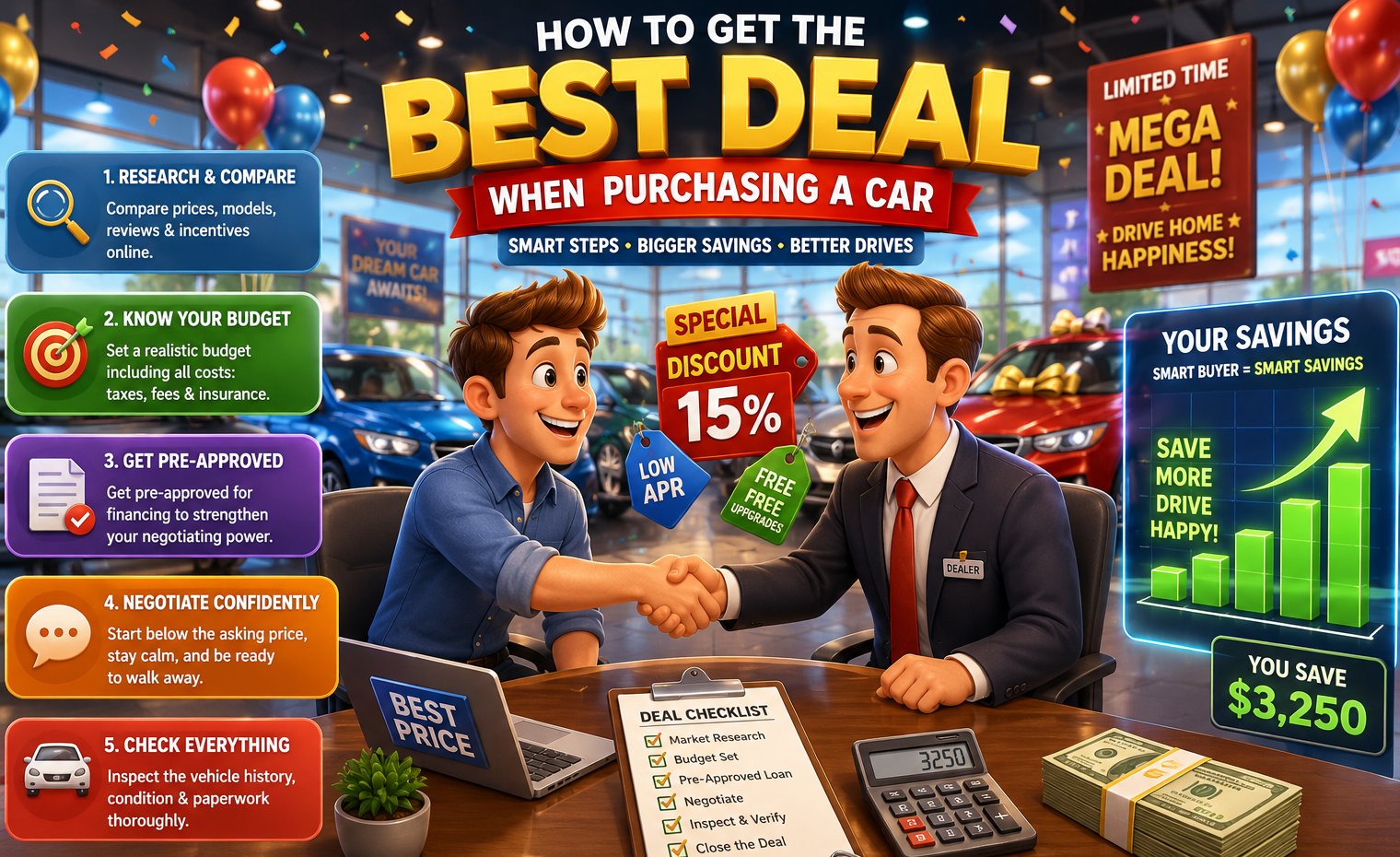
Getting the best deal when purchasing a car isn’t about luck—it’s about preparation. Buyers who research vehicle prices, compare dealerships, secure financing in advance, negotiate effectively, and carefully review contracts are often rewarded with better deals and lower ownership costs.
Whether you’re buying a new vehicle, a certified pre-owned model, or a used car, the same principles apply: know your budget, understand the market, avoid unnecessary add-ons, and never rush the process. A well-planned purchase can save thousands of dollars while ensuring you choose a vehicle that fits both your lifestyle and financial goals. By approaching the process strategically, you’ll be far more likely to drive away with a deal you can feel confident about for years to come.