
Introduction
Buying a vehicle is one of the most significant financial decisions many people make. Whether you’re purchasing your first car, upgrading to a newer model, or replacing an aging vehicle, the decision involves much more than simply choosing a car that looks good. With countless options available in today’s automotive market, buyers must carefully evaluate their needs, budget, and long-term ownership costs before making a commitment.
A vehicle can impact your daily life, monthly expenses, and even your future financial goals. While attractive features and stylish designs often grab attention, practical considerations such as reliability, fuel economy, safety, maintenance costs, and financing terms are equally important. Taking the time to research and compare options can help you avoid costly mistakes and ensure you choose a vehicle that meets your needs for years to come. This guide explores the most important factors every buyer should consider before purchasing a vehicle.
Understand Your Budget First
Before visiting a dealership or browsing online listings, determine how much you can realistically afford.
Look Beyond the Purchase Price
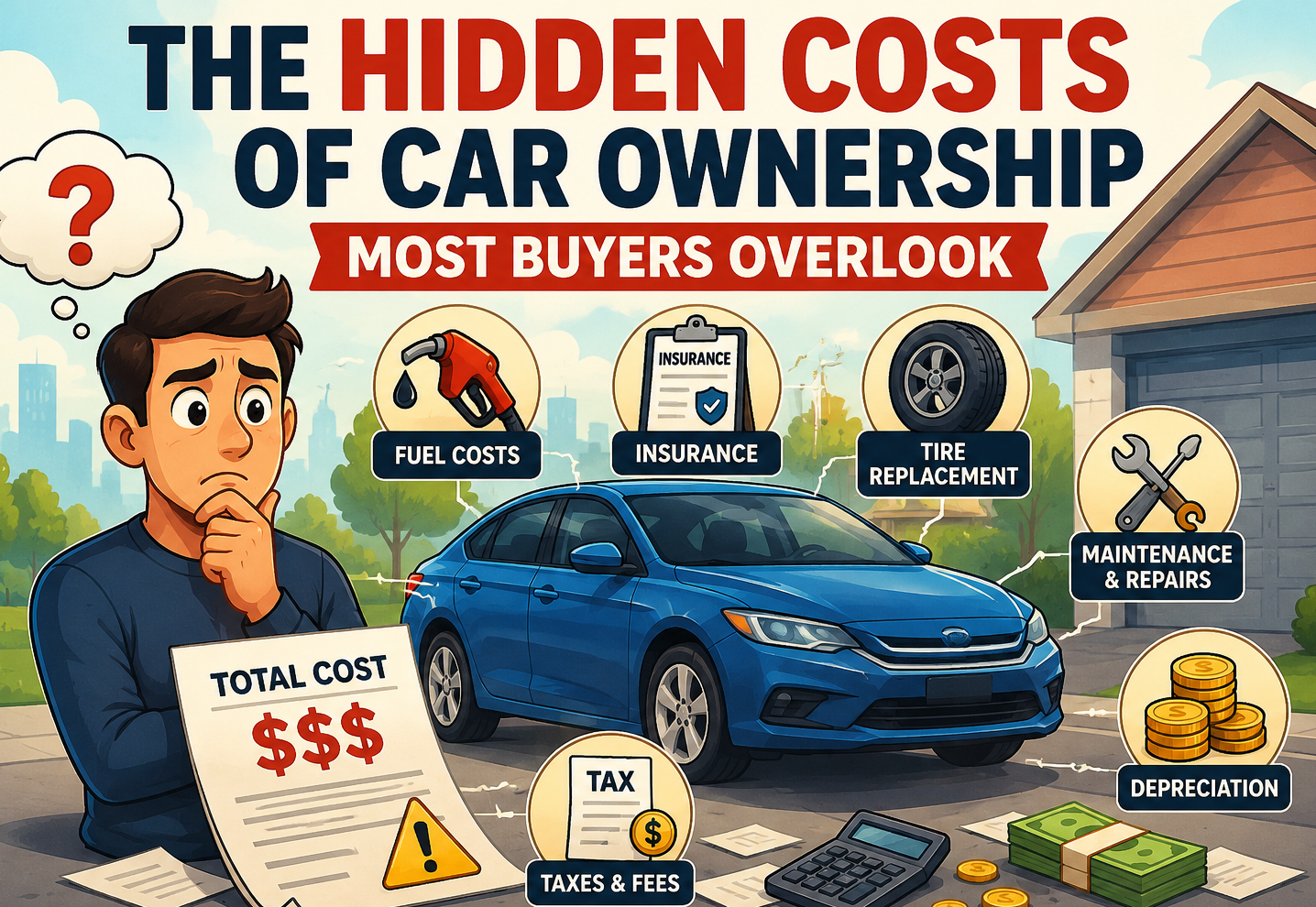
Many buyers focus solely on the sticker price, but vehicle ownership includes several ongoing expenses:
- Insurance premiums
- Fuel costs
- Maintenance and repairs
- Registration fees
- Taxes
- Financing charges
Understanding the total cost of ownership provides a more accurate picture of affordability.
Set a Comfortable Monthly Payment
Financial experts often recommend choosing a payment that fits comfortably within your monthly budget without creating unnecessary financial stress.
Determine Your Transportation Needs
Not every vehicle is suitable for every lifestyle.
Consider Daily Usage
Ask yourself:
- How many miles do you drive each week?
- Do you primarily drive in the city or on highways?
- Do you frequently travel long distances?
- Do you need space for passengers or cargo?
Your driving habits should influence the type of vehicle you choose.
Match the Vehicle to Your Lifestyle
For example:
- Compact cars work well for commuters.
- SUVs provide additional space for families.
- Pickup trucks are useful for towing and hauling.
- Hybrid vehicles help reduce fuel expenses.
Choosing a vehicle that fits your lifestyle prevents unnecessary expenses and frustration later.
Evaluate Fuel Efficiency
Fuel costs can significantly affect long-term ownership expenses.
Why Fuel Economy Matters
Even a small difference in miles per gallon can result in substantial savings over several years.
Compare Fuel Types
Today’s buyers can choose from:
- Gasoline vehicles
- Hybrid models
- Plug-in hybrids
- Electric vehicles
Each option offers different advantages depending on driving habits and local infrastructure.
Long-Term Savings
Drivers with long daily commutes often benefit the most from fuel-efficient vehicles.
Prioritize Vehicle Safety
Safety should be one of the most important considerations when purchasing any vehicle.
Modern Safety Technologies
Many newer vehicles offer advanced features such as:
- Automatic emergency braking
- Blind-spot monitoring
- Lane departure warning
- Adaptive cruise control
- Rearview cameras
Review Crash Test Ratings
Independent safety organizations regularly evaluate vehicle performance during crash testing.
Researching safety ratings can help buyers make informed decisions and protect themselves and their families.
Research Reliability Ratings
Reliability directly affects ownership costs and overall satisfaction.
Why Reliability Matters
A reliable vehicle generally requires:
- Fewer repairs
- Less downtime
- Lower maintenance expenses
Check Owner Reviews
Reading reviews from current owners can provide valuable insights into long-term performance and common issues.
Consider Manufacturer Reputation
Some brands consistently earn strong reliability ratings due to their engineering and manufacturing quality.
Compare New and Used Vehicles
Both new and used cars offer unique advantages.
Benefits of Buying New
New vehicles typically provide:
- Full warranty coverage
- Latest technology
- Improved fuel efficiency
- Enhanced safety features
Benefits of Buying Used
Used vehicles often offer:
- Lower purchase prices
- Reduced depreciation
- Lower insurance costs
- Better overall value
The right choice depends on your budget and personal priorities.
Understand Depreciation
Depreciation is one of the largest hidden costs of vehicle ownership.
What Is Depreciation?
Depreciation refers to the decline in a vehicle’s value over time.
Why It Matters
Some vehicles lose value much faster than others.
Choosing a model with strong resale value can help reduce ownership costs if you decide to sell or trade the vehicle later.
Review Insurance Costs
Insurance rates vary significantly between vehicle models.
Factors That Influence Insurance Premiums
Insurers often consider:
- Vehicle value
- Repair costs
- Safety ratings
- Theft rates
- Driver demographics
Obtain Quotes Before Buying
Many buyers are surprised to discover that insurance costs can differ substantially between similar vehicles.
Requesting quotes before purchasing helps prevent unexpected expenses.
Consider Maintenance and Repair Costs
A lower purchase price doesn’t always mean lower ownership costs.
Some Vehicles Cost More to Maintain
Factors affecting maintenance expenses include:
- Parts availability
- Labor costs
- Vehicle complexity
- Brand-specific repair requirements
Research Ownership Costs
Many automotive websites provide estimates of long-term maintenance expenses.
Comparing these figures can help identify vehicles that offer better overall value.
Check Warranty Coverage
Warranty protection provides financial security during ownership.
New Vehicle Warranties
Most new cars include:
- Basic limited warranties
- Powertrain warranties
- Corrosion protection
Used Vehicle Options
Certified Pre-Owned (CPO) vehicles often include extended warranty coverage that offers additional peace of mind.
Understanding warranty terms can help reduce future repair concerns.
Test Drive Before Making a Decision
A test drive is one of the most important steps in the buying process.
Evaluate Comfort
Pay attention to:
- Seat comfort
- Visibility
- Interior space
- Driving position
Assess Performance
Consider:
- Acceleration
- Braking
- Steering response
- Ride quality
A vehicle that looks good on paper may feel completely different in real-world driving conditions.
Examine Technology Features
Modern vehicles offer a wide range of technology options.
Useful Features to Consider
Popular technologies include:
- Smartphone integration
- Navigation systems
- Wireless charging
- Touchscreen displays
- Voice controls
Avoid Paying for Unnecessary Extras
Focus on features that provide genuine value rather than simply choosing the highest trim level available.
Think About Resale Value
Eventually, most owners will sell, trade, or replace their vehicle.
Why Resale Value Matters
Vehicles with strong resale values help reduce overall ownership costs.
Factors That Affect Resale
- Brand reputation
- Reliability
- Market demand
- Vehicle condition
- Mileage
Researching resale trends can help identify smarter long-term investments.
Explore Financing Options Carefully
Financing can significantly impact the total cost of a vehicle.
Compare Multiple Lenders
Don’t rely solely on dealership financing.
Compare offers from:
- Banks
- Credit unions
- Online lenders
Understand Loan Terms
Pay attention to:
- Interest rates
- Loan duration
- Monthly payments
- Total interest paid
A lower monthly payment isn’t always the best financial deal if it extends the loan significantly.
Common Mistakes Buyers Should Avoid
Buying Based on Appearance Alone
Looks are important, but practicality and affordability should come first.
Ignoring Total Ownership Costs
Fuel, insurance, and maintenance expenses can exceed expectations if not researched beforehand.
Skipping Research
Impulse purchases often lead to buyer’s remorse and financial strain.
Overextending Your Budget
Choosing a vehicle that stretches your finances can create unnecessary stress and limit future financial flexibility.
Recent Trends in the Automotive Market
The vehicle market continues to evolve rapidly.
Growing Interest in Hybrid Vehicles
Many consumers are choosing hybrids to reduce fuel expenses without fully transitioning to electric vehicles.
Improved Vehicle Longevity
Modern vehicles often remain reliable well beyond 150,000 miles with proper maintenance.
Advanced Safety Features Becoming Standard
Features once reserved for luxury vehicles are now commonly found in affordable models.
Conclusion
Buying a vehicle is a major investment that deserves careful planning and research. While it’s easy to focus on appearance, horsepower, or the latest technology, the most important factors often involve practicality, reliability, safety, and long-term affordability.
By evaluating your budget, understanding ownership costs, researching reliability, comparing financing options, and carefully assessing your transportation needs, you can make a smarter purchasing decision. The right vehicle should not only fit your lifestyle today but also provide dependable service and financial value for years to come. Taking the time to consider these important factors before buying can help you avoid costly mistakes and enjoy a more satisfying ownership experience.