Introduction
Buying a car is one of the largest financial decisions most Americans make outside of purchasing a home. Whether you’re buying your first vehicle, replacing an aging car, or upgrading to something newer, one question always comes up: Should you buy a new car or a used one?
There is no one-size-fits-all answer because both options offer unique advantages and disadvantages. A brand-new vehicle provides the latest technology, warranty protection, and peace of mind, while a used vehicle can offer significant savings and slower depreciation. In today’s automotive market, where vehicle prices remain relatively high and interest rates continue to influence financing costs, understanding the financial implications of each option is more important than ever. This guide explores the real costs, benefits, and long-term value of new and used vehicles to help buyers determine which option makes the most financial sense for their situation.
Understanding the Real Cost of Car Ownership
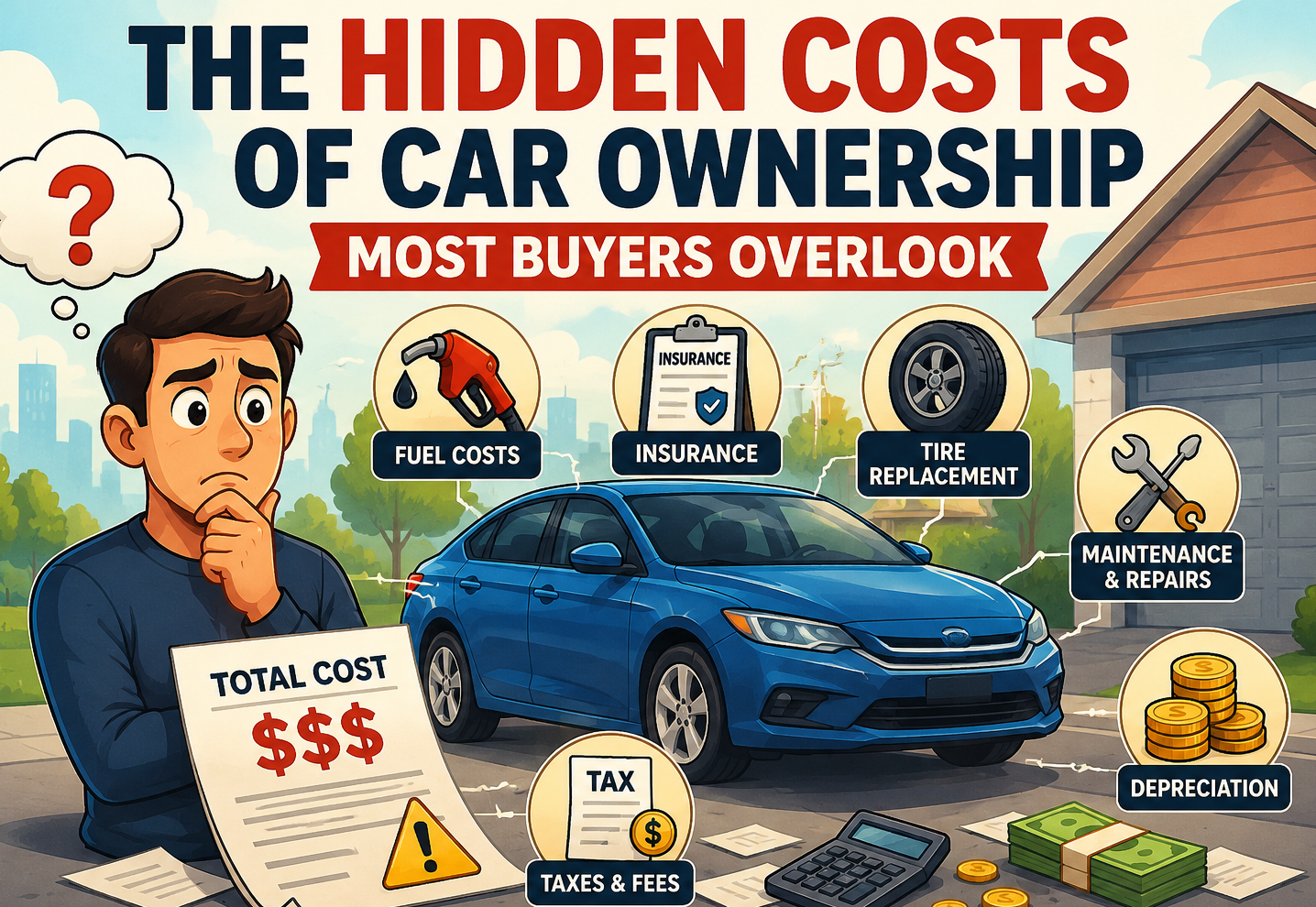
Many buyers focus solely on the purchase price, but the true cost of owning a vehicle extends far beyond the sticker price.
Key Ownership Costs
Before choosing between new and used cars, consider:
- Purchase price
- Financing costs
- Insurance premiums
- Fuel expenses
- Maintenance and repairs
- Registration fees
- Depreciation
Evaluating these factors provides a more complete picture of overall affordability.
The Financial Advantages of Buying a New Car
New vehicles continue to attract buyers despite their higher upfront costs.
Latest Safety Features
Modern vehicles often include advanced safety technologies such as:
- Automatic emergency braking
- Lane-keeping assistance
- Blind-spot monitoring
- Adaptive cruise control
- Rear cross-traffic alerts
These features may reduce accident risks and improve driver confidence.
Manufacturer Warranty Protection
Most new vehicles come with comprehensive warranty coverage.
Benefits include:
- Reduced repair expenses
- Protection against manufacturing defects
- Greater peace of mind
- Predictable ownership costs
For many buyers, warranty coverage is one of the biggest advantages of purchasing new.
Better Financing Options
Automakers frequently offer promotional financing rates for new vehicles.
Qualified buyers may receive:
- Low-interest loans
- Special financing offers
- Cashback incentives
- Lease promotions
These programs can help offset some of the higher purchase costs.
The Biggest Drawback of Buying New
While new cars offer many advantages, they also have one major financial disadvantage.
Rapid Depreciation
Depreciation refers to the decline in a vehicle’s value over time.
Many new cars lose a significant portion of their value during the first few years of ownership.
Why Depreciation Matters
If you purchase a vehicle for $35,000 and sell it several years later, the resale value may be substantially lower.
This loss in value represents one of the largest ownership costs associated with buying new.
The Financial Benefits of Buying a Used Car
Used vehicles appeal to buyers looking to maximize value and reduce expenses.
Lower Purchase Prices
The most obvious advantage is affordability.
For the same budget, buyers can often choose:
- A newer used vehicle with more features
- A larger vehicle
- A higher trim level
- A premium brand model
This flexibility allows buyers to stretch their budgets further.
Slower Depreciation
A significant portion of depreciation occurs during the first few years after a vehicle is sold new.
When purchasing a used vehicle, someone else has already absorbed much of that initial value loss.
Lower Insurance Costs
Insurance premiums for used vehicles are often lower than those for new cars.
Because replacement costs are lower, insurers generally charge less for coverage.
Potential Risks of Buying Used
Although used cars can offer excellent value, they also carry certain risks.
Unknown Vehicle History
Not all used vehicles have been maintained properly.
Potential concerns include:
- Previous accidents
- Flood damage
- Neglected maintenance
- High mileage
- Hidden mechanical issues
Increased Repair Costs
Older vehicles may require more frequent repairs and maintenance.
While the purchase price may be lower, repair expenses can gradually increase as the vehicle ages.
Limited Warranty Coverage
Many used vehicles are sold without comprehensive manufacturer warranties.
Buyers may need to rely on extended warranties or pay for repairs out of pocket.
Certified Pre-Owned Vehicles: A Middle Ground
Certified Pre-Owned (CPO) vehicles offer a compromise between new and used cars.
What Makes a Vehicle Certified?
Certified vehicles typically undergo:
- Multi-point inspections
- Reconditioning processes
- Manufacturer approval
Benefits of CPO Vehicles
Advantages often include:
- Extended warranty coverage
- Lower purchase prices than new cars
- Better reliability assurance
- Roadside assistance programs
For many buyers, CPO vehicles provide an attractive balance between cost savings and security.
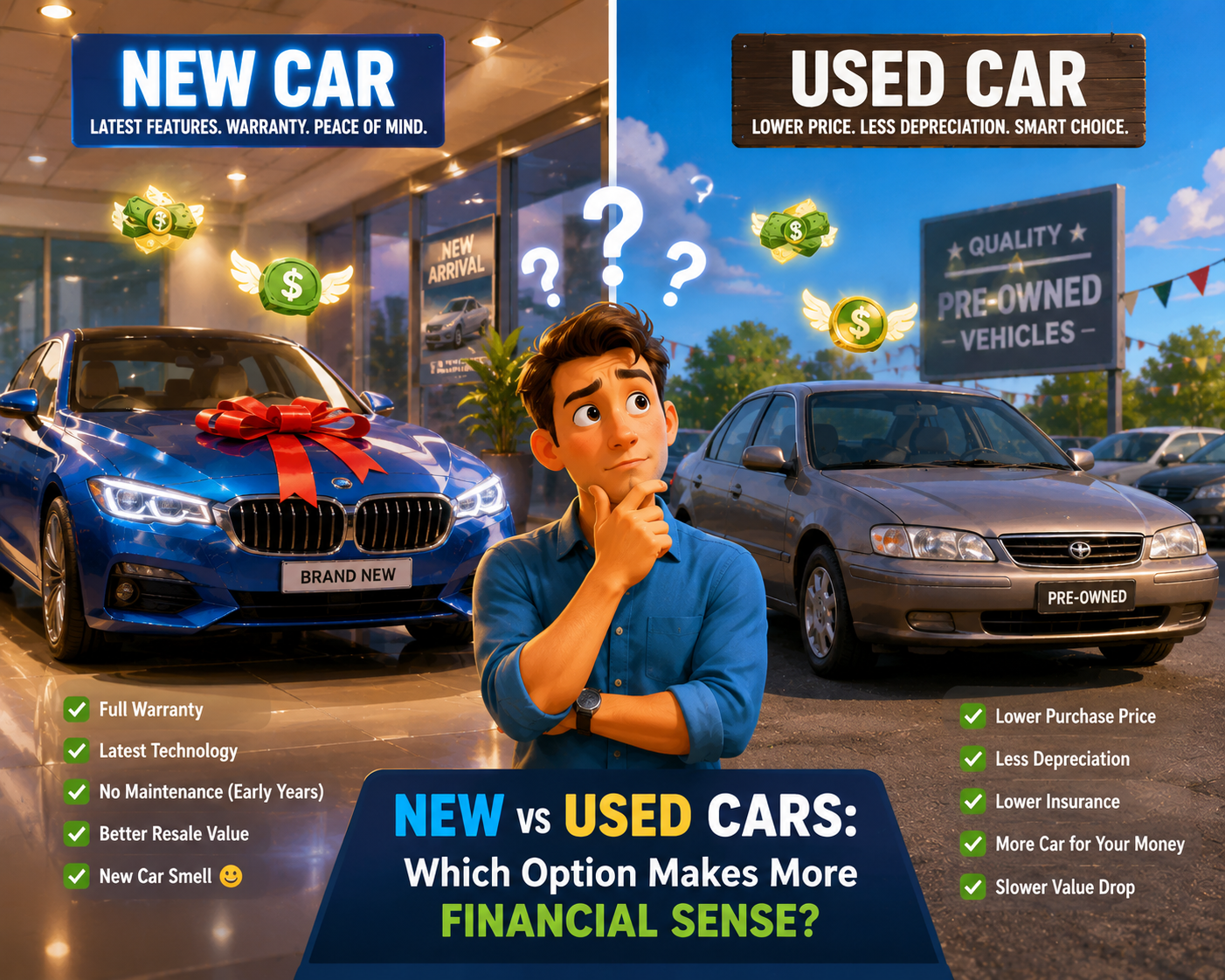
Comparing Ownership Costs Over Five Years
When evaluating financial value, it’s helpful to consider long-term ownership costs.
New Vehicle Ownership
Typical benefits include:
- Fewer repairs
- Better fuel efficiency
- Warranty protection
Potential drawbacks include:
- Higher purchase price
- Faster depreciation
- Higher insurance costs
Used Vehicle Ownership
Common advantages include:
- Lower purchase cost
- Reduced depreciation
- Lower insurance premiums
Possible disadvantages include:
- More maintenance
- Increased repair risk
- Limited warranty coverage
The best financial choice often depends on how long the vehicle will be kept.
When Buying New Makes More Sense
There are situations where a new vehicle may be the smarter financial decision.
Long-Term Ownership Plans
If you intend to keep a vehicle for ten years or longer, depreciation becomes less important because you maximize the value of your investment.
Desire for Modern Technology
New vehicles provide access to the latest:
- Safety systems
- Infotainment technology
- Fuel-saving innovations
- Driver assistance features
Minimal Repair Concerns
Buyers who prioritize reliability and predictable ownership costs often prefer new vehicles.
When Buying Used Makes More Sense
Used vehicles frequently offer stronger financial value.
Budget-Conscious Buyers
A used vehicle allows buyers to spend less upfront while still obtaining reliable transportation.
Avoiding Major Depreciation
Purchasing a vehicle that is two to five years old often provides the best balance between value and reliability.
Lower Monthly Payments
Smaller loan amounts generally result in more manageable monthly expenses.
Factors Beyond Price
The best decision isn’t always determined solely by dollars and cents.
Reliability Ratings
Research reliability histories before purchasing any vehicle.
Maintenance Records
Well-documented maintenance can significantly reduce ownership risks.
Fuel Economy
Efficient vehicles help reduce long-term operating costs.
Safety Performance
Crash-test ratings and safety technologies should always influence buying decisions.
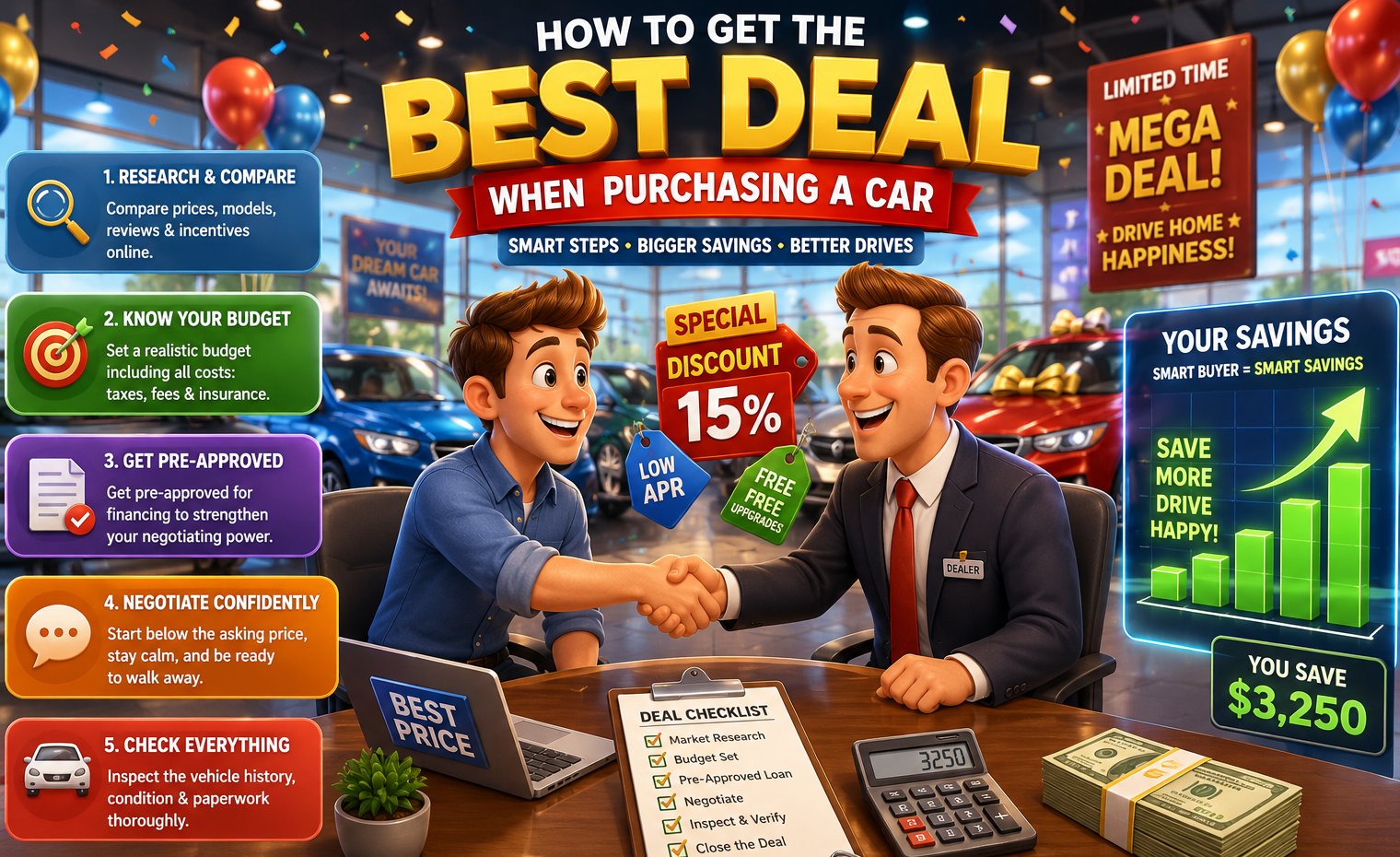
Tips for Getting the Best Value
Research Thoroughly
Compare:
- Vehicle reviews
- Reliability reports
- Ownership costs
- Resale values
Obtain Vehicle History Reports
For used cars, always review accident and maintenance history.
Consider Total Cost of Ownership
Focus on long-term expenses rather than just purchase price.
Shop Around
Comparing dealerships, lenders, and private sellers can lead to significant savings.
Recent Trends in the U.S. Car Market
The automotive market has experienced significant changes in recent years.
Rising Vehicle Prices
Both new and used vehicles have become more expensive compared to previous years.
Growing Popularity of Hybrids
Many buyers are choosing hybrid models to reduce fuel expenses.
Improved Vehicle Longevity
Modern vehicles often remain reliable well beyond 150,000 miles when properly maintained.
This trend has made used vehicles more attractive than ever before.
Conclusion
The debate between new and used cars ultimately comes down to individual priorities, financial goals, and risk tolerance. New vehicles offer warranty protection, modern technology, and fewer repair concerns, but they come with higher prices and faster depreciation. Used vehicles provide significant savings, lower insurance costs, and slower depreciation, though they may involve greater maintenance risks.
For many budget-conscious buyers, a well-maintained used vehicle or certified pre-owned model often delivers the strongest overall value. However, buyers who plan to keep a vehicle for many years and want the latest features may find that purchasing new makes financial sense as well.
The smartest approach is to evaluate total ownership costs, research reliability carefully, and choose a vehicle that fits both your lifestyle and your budget. By looking beyond the sticker price, you can make a decision that provides long-term financial benefits and years of dependable transportation.